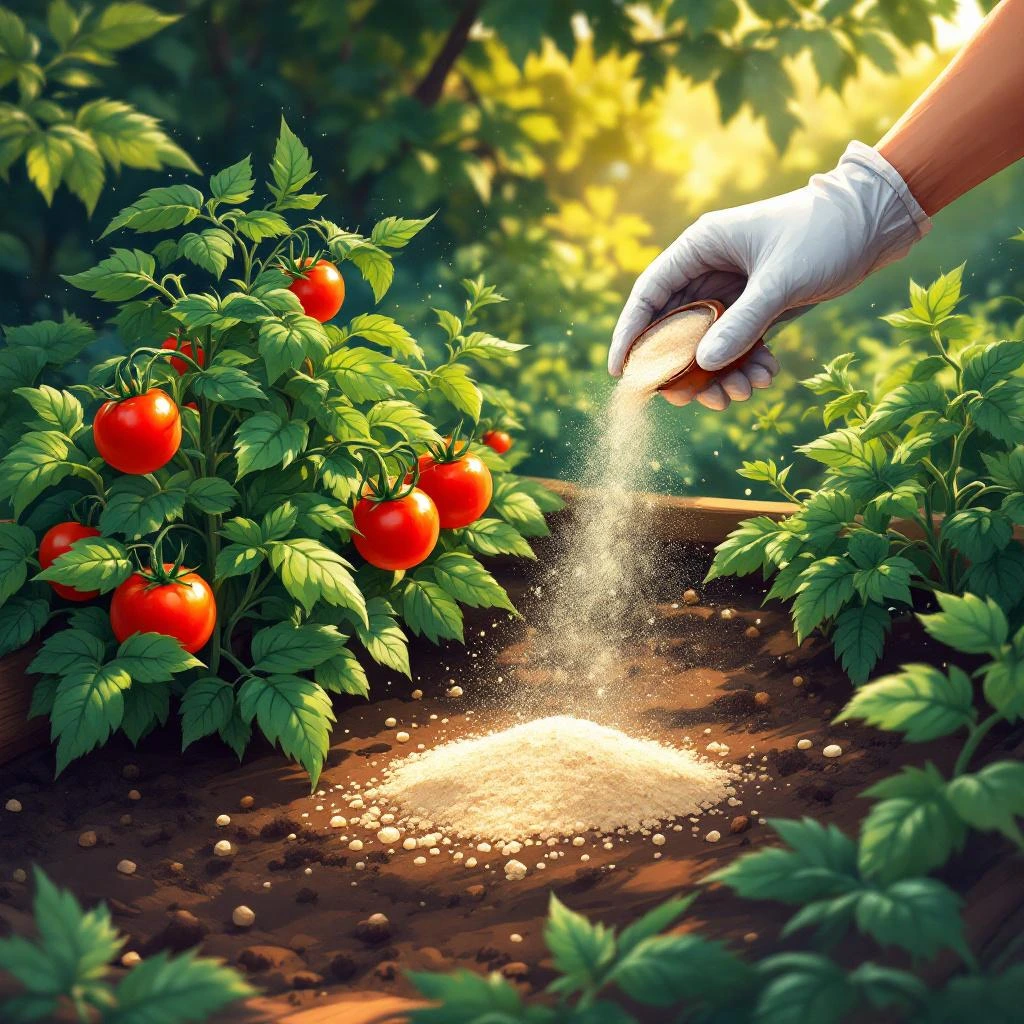

I'm going to tell you something I haven't told many people. In my first season in Tiny Farm Heroes, I nearly quit. I had thirty-two tomato plants — named most of them, watered every single one, and yes, I did sing a little song to my three favorites. Don't judge me. By midsummer, every plant was yellow, limp, and producing absolutely nothing. My neighbor Betty from Sunny Acres sent me a message in the co-op chat: "Mac, honey — when did you last feed your soil?" I stared at my screen for a full thirty seconds. I had no idea what that meant. And that was exactly the problem.
A Little About Me (And My Reputation)
My name is Old Mac Donald — yes, like the song, and yes, I have heard every single joke. I've been farming in Tiny Farm Heroes for a good while now, growing tomatoes, corn, peppers, and the occasional pumpkin when I'm feeling adventurous. I'm what you might call a reformed bad farmer. I made every mistake in the book during my first few seasons and somehow survived long enough to figure things out. Now I share what I've learned, because if I can save even one person from the Year of the Yellow Tomatoes, it was worth opening my mouth about it.
The thing about farming — whether in a game or on real soil — is that it looks simple until it isn't. You grow up hearing about it. You assume you understand it. Plant the seed, add water, wait for magic. I had that assumption knocked out of me one embarrassing summer, and bone meal was the thing that put it back together.
The Great Tomato Disaster of Year One
It started with ambition. I had been watching my co-op neighbors rolling in beautiful harvests — Betty with her climbing beans, young Jake from Ferndale with his picture-perfect rows of carrots — and I thought: how hard can tomatoes be? Humans have been growing them for thousands of years. You dig a hole, you put a plant in, you water it. Natural. Ancient. Simple.
I did all three. I dug careful holes in well-spaced rows. I set my seedlings in gently. I watered every morning at the same time, steady as a clock. I even hammered in little wooden stakes to help them grow tall and strong.
By July, something was clearly wrong.
The leaves were going yellow at the edges, then working their way inward. The plants had grown — a little — but nothing like they should have. There were zero flowers, which meant zero tomatoes were coming. They didn't look diseased, exactly. They just looked tired. Like they were trying their hardest and running out of steam before they could get anywhere worth going.
I posted a screenshot in the co-op forum with the subject line: "Anyone else's tomatoes look like this???" Three question marks. That's how concerned I was.
Betty responded in four minutes. She's fast like that. She left a voice note that started with a warm laugh — not a mean one, a knowing one, the laugh of someone who has seen this exact situation before — and then she said: "Oh, Mac. Sweetheart. When did you last feed your soil?"
What Even Is Bone Meal? (Betty's Explanation, In My Words)
Here's what Betty explained to me, and I'm passing it along exactly the way she told it — because she's a better teacher than I am, and I've been quoting her ever since.
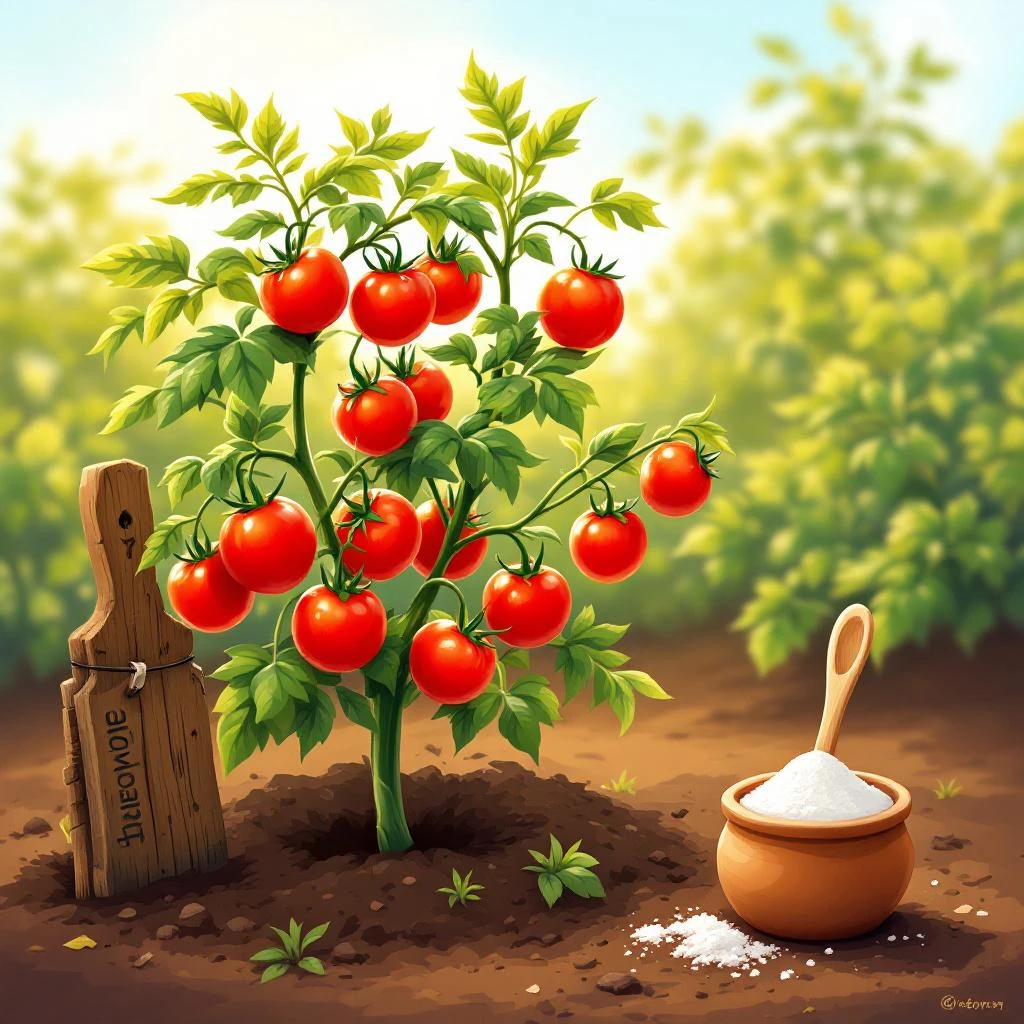
Bone meal is exactly what it sounds like: animal bones — usually from cattle — that have been steam-processed and ground into a fine white powder. I know. Stay with me.
That powder is absolutely packed with two things plants desperately need: phosphorus and calcium.
You've probably seen those three numbers on fertilizer bags — NPK. It stands for nitrogen, phosphorus, and potassium. Think of them as three different jobs on a farm:
- → Nitrogen (N) is the leafy growth driver. It makes plants green and lush. Great for spinach and lettuce. Too much of it and you get beautiful foliage with absolutely no fruit — all leaves, no reward.
- → Phosphorus (P) is what builds roots, triggers flowering, and converts those flowers into actual produce. This is the one I was missing. This is the whole game.
- → Potassium (K) is the general health booster — it helps with disease resistance, efficient water use, and stress tolerance. Think of it as the plant's immune system.
My tomatoes were all leaves and no roots. All show, no substance. They were running out of energy before they even reached the flowering stage because my soil was phosphorus-poor, and I hadn't even thought to check.
Bone meal is a slow-release phosphorus supplement. When you work it into your soil before planting, it breaks down gradually over weeks and months, releasing phosphorus right where the roots can use it. It doesn't give plants a chemical sugar rush the way some synthetic fertilizers can. Because it's slow-release, you're building your soil rather than just spiking it.
Betty put it this way: "Mac, you wouldn't send a marathon runner to the starting line without breakfast first. Your tomatoes need phosphorus to even get off the couch."
Quick Win from Mac's Kitchen Table
Not all crops need bone meal equally. Tomatoes, peppers, eggplant, carrots, beets, squash, and other fruiting or root crops absolutely love it. Leafy greens like spinach, lettuce, and kale care a lot more about nitrogen than phosphorus. Always match your soil amendment to what you're actually growing — that's the difference between a good harvest and a great one.
How Phosphorus Actually Works (The Simple Version)
You don't need a chemistry degree to understand this. I certainly don't have one. But a little background helps you see why bone meal is such a smart amendment.
When a seed first sprouts, its very first job is to grow roots. Not leaves. Roots. The more root surface area a plant has, the more water and nutrients it can pull from the soil. A plant with a strong root system can weather drought, compete with weeds, and channel energy into growing fruit. A plant with weak roots is just... struggling. Always struggling.
Phosphorus is essential for that root development. It's also what triggers a plant to start flowering — and in tomatoes, peppers, and squash, flowers are the whole point. No flower, no fruit. It's that simple. My tomatoes had nitrogen to grow leaves, but without phosphorus, they could never take the next step.
Bone meal also contains calcium, which is its own quiet hero. Calcium strengthens cell walls, helps plants move water and nutrients efficiently, and prevents a common tomato problem called blossom end rot — that dark, sunken patch on the bottom of the fruit that makes you want to cry when you see it. Getting calcium into your soil before planting is one of the best insurance policies a tomato farmer can have.
How It Works in Tiny Farm Heroes
In the game, soil amendments are a genuine mechanic — and honestly, learning to use them correctly is one of the things that made farming actually feel satisfying to me, rather than just frustrating.
When you're prepping a plot for planting, you have the option to add soil amendments before your seeds go in. You'll find Bone Meal in the Farm Store under Soil & Amendments. It's a craftable item you can also earn through co-op challenges and seasonal events — so keep an eye out.
Apply it correctly — worked into the soil before your seedlings go in — and you'll see a little sparkle effect ripple across the plot. That's the game giving you a small but satisfying confirmation: your soil is happy. Crops planted in phosphorus-rich soil have a higher growth rate, a better chance of producing Extra Quality harvests, and a significantly higher flower-to-fruit conversion rate for tomatoes and peppers.
That last part matters a lot when you're selling to the co-op. Extra Quality crops fetch higher prices, which means more money flows into the donation pool, which means more real food reaches real farms. Getting your soil right isn't just about your harvest number — it's the entire point of the game.
"I went from 'why are all my tomatoes dying' to sending 47 Extra Quality tomatoes to the co-op in a single season. One season. All I changed was working bone meal into my soil two weeks before planting."
— Old Mac Donald, Year Two Survivor
Why Real Farms Use It Too
This is the part that genuinely moves me, and I'm a man who's been known to get misty at a good harvest animation, so take that for what it's worth.
The real-world non-profit farms that Tiny Farm Heroes supports use organic soil amendments like bone meal — or rock phosphate for fully vegan operations — as a core part of how they grow food. And they do it for really good reasons:
- → Slow-release is forgiving. Small non-profit farms can't afford to over-fertilize and burn an entire crop. Bone meal releases nutrients gradually over months, which means the margin for catastrophic error is dramatically smaller than with synthetic fertilizers.
- → It builds soil, not just crops. Industrial fertilizers give plants a short-term boost, but over time they can deplete soil structure. Organic amendments like bone meal actually improve your soil season over season — each year gets a little better than the last. Sustainable farms think in decades, not quarters.
- → It's a byproduct, not a waste. Bone meal is produced from the livestock industry. Using it in food production closes a loop — something that would otherwise be discarded becomes a resource for feeding communities. That's the kind of efficiency sustainable farming runs on.
- → It supports living soil. Healthy soil isn't just dirt — it's full of billions of beneficial microbes, fungi, and tiny organisms that break down organic matter and make nutrients available to plants. Bone meal feeds those microbes along with your crops. The whole underground ecosystem benefits.
When Betty explained to me that the real farms we were helping support used the same methods I was learning in-game, something actually clicked. This wasn't just a fun mechanic. It was a small but real window into how sustainable agriculture works — and why it works for the long haul.
Common Bone Meal Mistakes (That I Made So You Don't Have To)
Let me save you some embarrassment. I have personally made every single one of these.
- → Using too much: More is not better. A tablespoon or two per plant is plenty in a real garden. I once used four heaping tablespoons per plant, convinced I was being generous and loving. The plants were not moved by my generosity.
- → Adding it after planting: Bone meal needs to be worked into the soil before your seedlings go in the ground. It needs to be where the roots can reach it, not sitting on top of already-planted soil doing almost nothing.
- → Using it on leafy greens: Spinach, lettuce, kale, arugula — these want nitrogen above everything else. Bone meal won't hurt them, but it's wasted on them. Save it for fruiting crops and root vegetables that actually need it.
- → Forgetting to water after application: Bone meal needs moisture to start breaking down and releasing its nutrients. Water thoroughly after you work it into the soil. A dry amendment just sits there.
- → Expecting overnight results: It's slow-release by design. Give it two to four weeks before you start expecting to see a real difference. Plant, water, wait, and then watch. Patience is a farming virtue — Betty has told me this approximately forty times.
In Tiny Farm Heroes
The game handles the timing for you — apply bone meal to a plot before planting and the system calculates the benefit over the growth cycle. But understanding why it works makes you a smarter farmer in the game and helps you appreciate what's actually happening in real soil.
Old Mac Donald's Golden Rules for Soil Happiness
After enough hard seasons, a few principles stick with you. These are mine:
Feed the soil first, and the soil will feed your crops. I wasted three seasons trying to fix my plants when the problem was always in the dirt. Healthy soil grows healthy crops without as much fussing. Unhealthy soil makes every plant a struggle, no matter how much you water.
Know what each crop actually needs. Different plants are hungry for different things at different stages. Tomatoes and peppers crave phosphorus before flowering. Corn wants nitrogen during its big growth push. Carrots and beets love phosphorus for root development. Take ten minutes to look up what you're planting before you start. Future-you will be grateful.
Amend before you plant, not after. Getting amendments into the soil before seeds go in is dramatically more effective than trying to fix problems after the fact. Think of it as building a strong foundation before you put up the walls. You can patch problems later, but it's expensive and slow.
Ask your neighbors. The co-op isn't just for selling crops — it's a community full of people who've made all the same mistakes you're making, usually about a season before you. Betty saved my entire harvest with four minutes of her time. I've tried to pay that forward ever since. Nobody figures this stuff out alone.
Every bad harvest is a lesson in disguise. My first tomato season was a quiet disaster. My second was my best ever. The only real difference was I understood exactly what had gone wrong. You can't skip the hard lessons — you can only learn from them faster.
The Year That Made Me Cry (I'm Not Admitting Anything)
The following season, I did everything differently. I researched my soil type. I added bone meal two full weeks before planting, worked it in properly, and watered well. I put in forty tomato seedlings instead of thirty-two, because if you're going to do it right, you might as well commit.
By mid-July, every plant had flowers on it.
By early August, I had tomatoes forming on nearly every stem.
By harvest time: one hundred and eighty-three Extra Quality tomatoes.
I'm not going to say I cried. I'm going to say that something happened to my eyes for approximately ninety seconds while I looked at the harvest screen, and I'm not prepared to describe it further.
Those 183 tomatoes went to the co-op. The co-op reported it as one of the highest single-farmer tomato harvests that week. And somewhere in the real world, a non-profit farm received a real donation — because an old man on the internet finally learned what phosphorus does.
That's what this game is about. That's what farming is about. You learn something real, you do better, and somewhere along the way the world gets a little more food in it.
Ready to Try It Yourself?
If you've been staring at yellowing leaves, slow growth, or flowers that bloom beautifully and never set fruit — your soil is trying to tell you something. It's been politely trying to tell you for weeks. It's time to listen.
Before your next round of fruiting crops, work some bone meal into the soil. Let it sit and settle for a week or two if you can. Then plant. Water. Wait with some patience — the good kind, the earned kind. Watch what happens over the next few weeks as those roots get what they've been asking for.
And if you're new to Tiny Farm Heroes and haven't found the Soil & Amendments section of the Farm Store yet — go find it today. That little tab just might change your whole season.
Come find me in the co-op when you get your first Extra Quality tomato harvest. I want to hear about it. I'll be the one with an embarrassing number of plants and an even more embarrassing number of feelings about them.