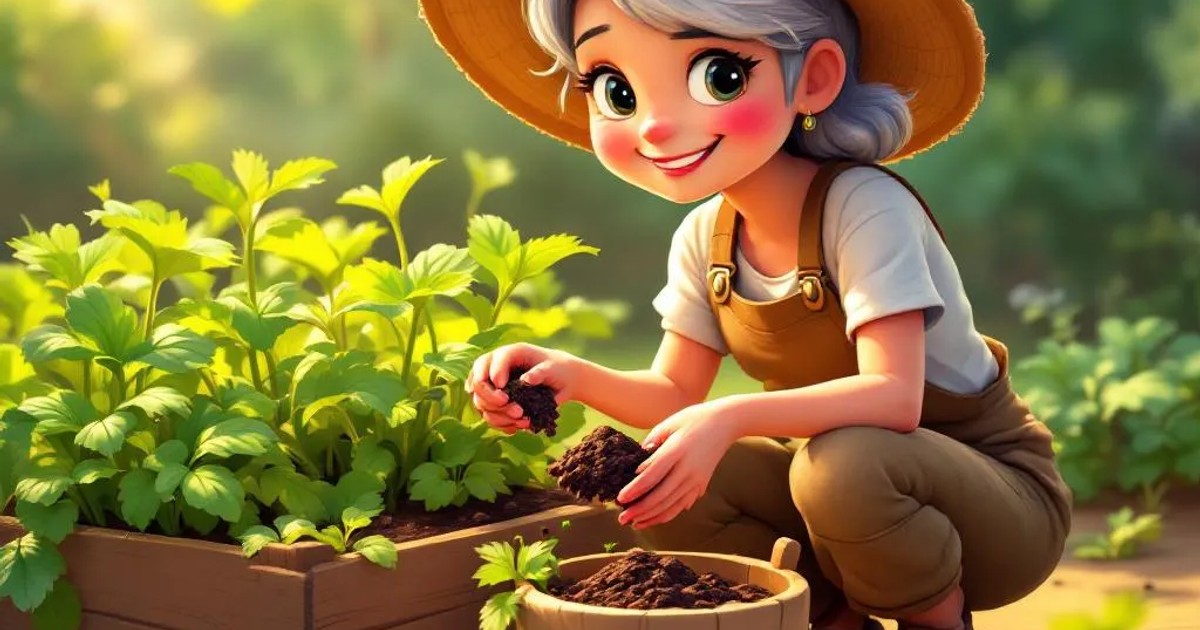

I have a confession to make. The spring I finally had my vermicomposting operation running at full capacity — five hand-built cedar bins, forty thousand red wigglers doing their quiet, magnificent work — I gave away almost every jar of finished castings at the seed swap. I couldn't help myself. Someone would wander over, I'd press a little jar into their hands, launch into a perfectly reasonable explanation of microbial biomass and humic acid chelation, and by the time I came up for air, another jar was gone. My neighbor Patrice took hers home without asking a single follow-up question and grew the most spectacular tomatoes on the road that summer. I had two quarts left for a quarter-acre kitchen garden. That catastrophic miscalculation, accidentally, taught me something I should have known as a soil microbiologist for thirty years: with worm castings, a little goes an embarrassingly long way.
Forty Thousand Reasons I Take Soil Seriously
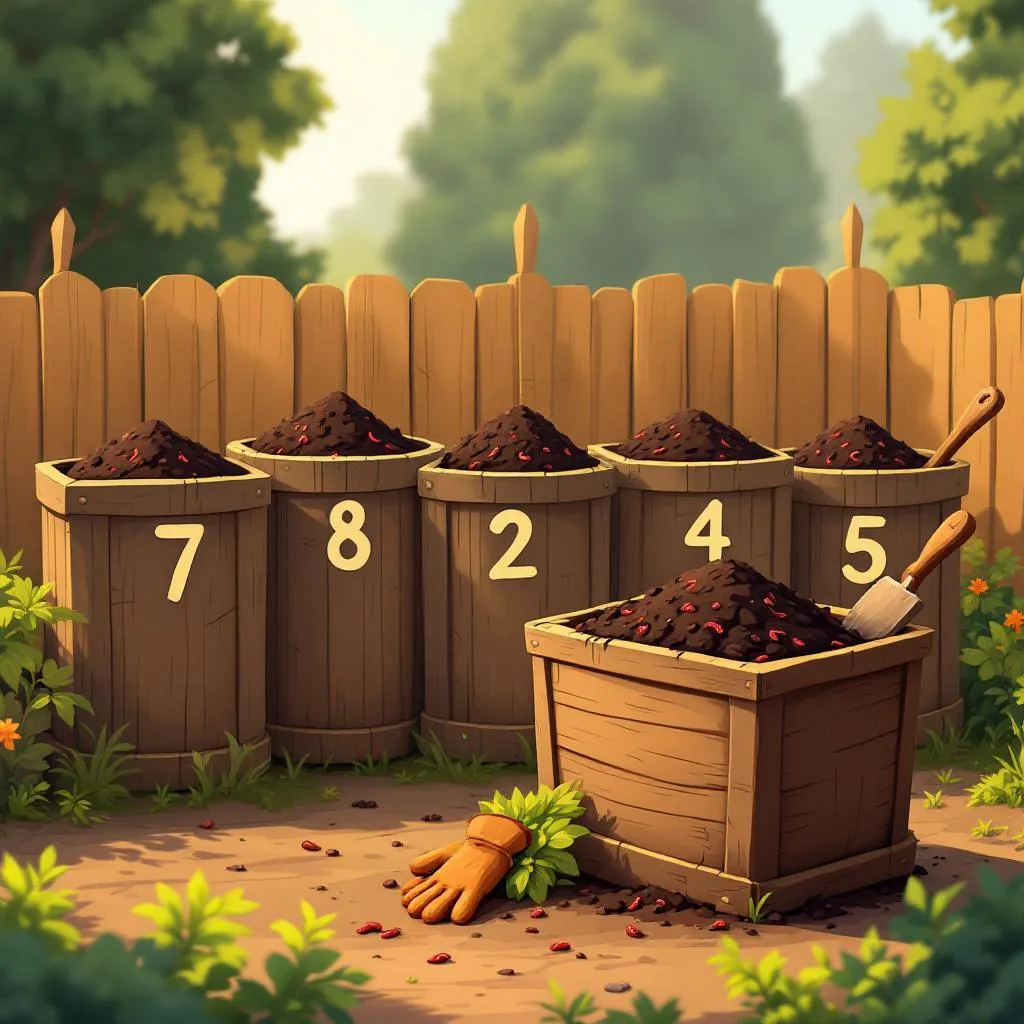
Before I moved to Vermont and started building compost bins from reclaimed cedar, I spent twenty-eight years in a university soil microbiology lab. I studied the invisible world — the bacteria, fungi, protozoa, and nematodes that make up what scientists call the soil food web. When I retired, my family assumed I'd take up watercolors or perhaps learn pickleball. Instead, I ordered two pounds of red wiggler worms (Eisenia fetida, for those keeping notes) and converted my garden shed into what I now call the Wriggle District.
Vermicomposting was never going to be just a hobby. I arrived at it with a head full of peer-reviewed literature and thirty years of knowing, in precise technical terms, why healthy soil matters. What I did not expect was how humbling it would be to apply that knowledge with my own two hands. Theory and a pair of garden gloves are two very different things. The worms have been patient teachers.
The Ration Experiment That Changed My Whole Approach
After that fateful seed swap, I had two quarts of castings left for a full season. A proper scientist would call this a controlled experiment. I called it a situation I had to make the best of.
I divided my beds. The tomatoes and peppers each got a tablespoon of castings worked into each transplant hole before I set in the seedlings. The beans and squash got a light surface scratch-in. The lettuce got nothing — I figured they grew fast enough they wouldn't miss it. I kept notes the way old habits demand.
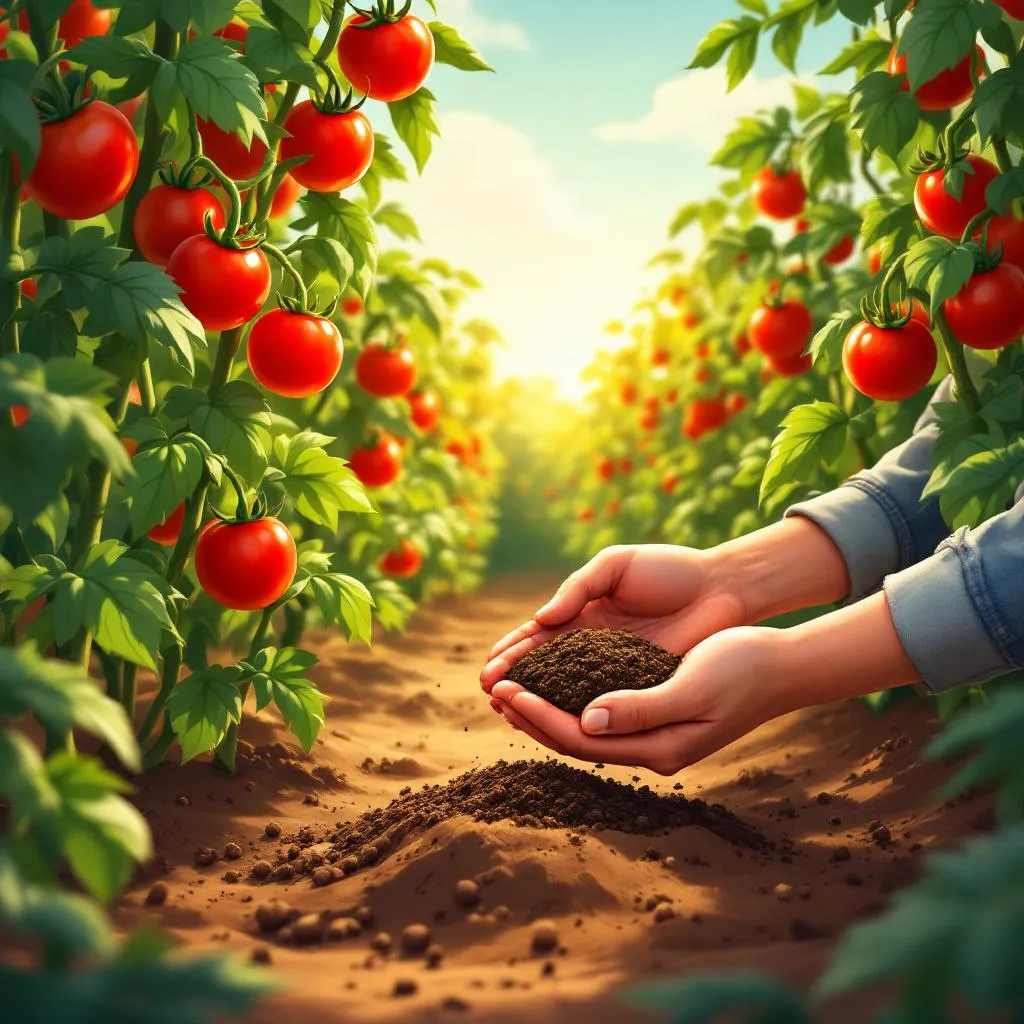
By July, I could tell the treated beds from twenty feet away. The tomatoes were stockier and darker green. The peppers set fruit two weeks earlier than the previous year. The beans were robust and cheerful. The lettuce was perfectly fine — just fine. At season's end, my treated beds outproduced my untreated beds by roughly thirty percent. With two quarts. Two quarts of something my worms had made essentially for free from my kitchen scraps. I sat down in the garden and had a long, quiet think about everything I'd given away to strangers.
What's Actually in That Dark Crumbly Stuff
Let me give you the short version, because this is precisely the moment at dinner parties where people have historically started looking for the exit.
Worm castings are worm manure — but not the way you might be imagining. As organic matter passes through a worm's digestive system, something remarkable happens: microorganisms that were dormant or sparse in the original material multiply enormously. A worm's gut is essentially a miniature biological reactor. What comes out the other end is dense with beneficial bacteria, enzymes that unlock nutrients, and humic acids — complex molecules that help plant roots access minerals they couldn't reach on their own.
Here's the analogy I give beginners: think of your garden soil like a bank account. Raw organic matter — kitchen scraps, dead leaves, last season's stalks — is like a check. It represents real value, but you can't spend it immediately. Worm castings are cash. Pre-processed. Plant-ready. Immediately available. Your vegetables don't have to wait for decomposition to run its slow course.
And here's the part that surprises almost everyone: castings are not a conventional fertilizer. They don't carry sky-high nitrogen numbers. What they carry is a living microbial community that will persist in your soil and keep working for months after application. You're not just feeding your plants — you're inoculating your soil.
- → Microbial richness: Worm castings can contain up to ten times more beneficial microorganisms than the original organic matter fed to the worms — bacteria and fungi that actively support plant root health.
- → Plant-available nutrients: Nitrogen, phosphorus, potassium, and trace minerals are held in forms plant roots can absorb immediately, without waiting for further decomposition.
- → Humic acids: These natural compounds act like tiny hooks in the soil, binding minerals and making them available to plants even in poor, sandy, or compacted ground.
- → Improved soil structure: Castings gently bind soil particles together, improving drainage in clay soils and water retention in sandy ones — two different problems, one solution.
- → No burn risk: Unlike synthetic fertilizers or even fresh manure, castings won't scorch roots. You can apply them directly against plant stems without worry.
Start With the Transplant Hole
If your supply of worm castings is limited, don't spread them thin across the whole garden. Instead, put a tablespoon directly into each transplant hole before you set in seedlings. Young roots will hit that concentrated pocket of biological richness right when they need it most — during the stress of transplanting, when every advantage counts.
A June Morning in the Wriggle District
My harvesting routine happens every six weeks, on a cool morning when the worms are most active. I tip one cedar bin sideways and let light hit the surface — red wigglers hate light and burrow away from it immediately, which makes separating them from finished castings much easier than it sounds. I work from the outside in, moving worm-free castings into a wide wooden tray.
An hour of this nets me eight to ten pounds of finished material — dark as espresso, crumbly as good chocolate cake, and smelling like a forest floor after rain. My neighbor Dot calls it 'clean dirt,' which I think is the most charming description of microbially active vermicastings I have ever heard. I've started using it in my educational presentations.
Then comes the part I love most: the morning walkabout. I wander my beds with the tray and a trowel, deciding where the castings are most needed. A light scratch around the winter squash. A handful worked under the mulch where the cucumber vines are putting down feeder roots. A thin layer pressed into the strawberry patch. It's observant, unhurried work — the kind that makes retirement feel like exactly what it was supposed to be.
"Good soil isn't built in a season. But a tablespoon of the right thing in the right place can change a plant's whole trajectory."
— Greta Tillman, Wriggle District, Vermont
Why This Matters Beyond My Back Fence
When I sell my crops through the Tiny Farm Heroes co-op, I know exactly what went into growing them. The tomatoes and peppers that make it into the system were grown on soil I've spent years tending — soil that's getting biologically richer, not depleted, with every passing season. That matters to me in a way I find hard to articulate except to say: this is how food is supposed to be grown.
The non-profit farms the co-op supports operate on the same principles. They don't use synthetic inputs. They rely on biological soil building — compost, cover crops, green manures, and vermicastings — because it's the only approach that improves the land over time rather than exhausting it. Healthy soil grows healthy food grows healthy communities. I know that sounds like something you'd read on a seed packet, but I spent thirty years in a lab establishing it, so I am entirely comfortable saying it.
- → No synthetic residues: Biological amendments build fertility without introducing chemical inputs that can accumulate in the food supply or run off into waterways.
- → Compounding returns: Soils treated with vermicastings retain their microbial communities across seasons — each year's harvest benefits from all the seasons before.
- → Reduced water demand: Improved soil structure holds moisture longer, cutting irrigation needs significantly — a real advantage in dry years or water-restricted regions.
- → Natural disease suppression: Beneficial microbes in castings suppress common soil-borne pathogens, reducing crop losses without fungicide applications.
- → Carbon in the ground: Healthy, biologically active soil sequesters carbon. These farms aren't just feeding communities — they're contributing to a more stable climate.
Mistakes I've Seen (and Regretfully Made)
I've been running the Wriggle District long enough to have made most of the common errors myself, and patient enough at seed swaps to have watched others make the rest. Let me spare you some embarrassment.
- → Applying too much at once: Castings are potent. A tablespoon per transplant hole or a thin top dressing is sufficient — heaping them on wastes a precious resource and does not accelerate results. Plants aren't in a hurry just because you are.
- → Buying questionable products: Many commercial 'worm casting' products are mostly peat or compost filler with a handful of castings added for marketing purposes. Good castings smell earthy (not sour, not like ammonia), are dark brown to black, and crumble easily. If they're wet, dense, and suspiciously cheap, be skeptical.
- → Storing them incorrectly: Castings lose microbial potency if they dry out completely or sit sealed in a bag for months. Store in a breathable container, slightly damp, out of direct sunlight. Treat them like something alive — because they are.
- → Applying only once: Unlike a single dose of fertilizer, castings work best spread across key growth moments: transplanting, the start of flowering, and a mid-season top dressing. You're supporting a living soil community, not simply spiking your plants.
- → Using only the tea and skipping the solids: Liquid casting tea is excellent for a quick foliar boost or root drench. But the long-term microbial work happens in the solid material. Use both.
Brew Casting Tea When Your Supply Runs Low
When you're between harvests and running thin on castings, stretch what you have with aerated casting tea. Add two tablespoons of finished castings to a gallon of dechlorinated water, drop in an aquarium air stone, and let it bubble for 24 hours. Water directly onto the soil around your plant bases — morning is best. You're multiplying the microbial community before application. I've seen visibly greener growth within a week of a good tea drench, and I'm not easily impressed.
I did not expect retirement to turn me into a worm evangelist. But here I am, pressing jars of casting tea on strangers at the seed swap and writing blog posts about what forty thousand invertebrates have taught me about vegetable gardening. If you'd told me this is where soil microbiology would eventually lead, I might have believed you — but I'd have expected to feel at least a little ridiculous about it.
I don't, though. Not for a moment. There is something genuinely satisfying about understanding the invisible world beneath your feet well enough to actually do something about it. You don't need a lab or a degree. You need a bin, some worms, some kitchen scraps, and the willingness to pay attention. Your vegetable garden will tell you the rest. And if you're ever at my seed swap, I will absolutely press a jar into your hands — but I'm keeping a few for myself this time.