

I'll be honest with you — the first time I hauled a five-gallon bucket of spent espresso grounds out to my tomato beds, my neighbor Gerald leaned over the fence like I'd just announced I was taking up tightrope walking. "June," he said, very slowly, "are you trying to grow coffee now?" I laughed so hard I nearly tipped the whole bucket on my boots. That was three summers ago. This past August, Gerald knocked on my door — hat in hand, sheepish grin firmly in place — asking if he could please have some of my grounds for his pepper patch. The student becomes the teacher, Gerald.
From the Café Counter to the Garden Bed
For just over twenty years, I ran a small café called The Percolator — tucked between a used bookshop and a hardware store in the kind of neighborhood where everyone knew your name and your usual order. I pulled more shots of espresso than I could ever count, and every single day I threw away bags and bags of beautiful, dark, spent grounds. It always gnawed at me. All that organic richness, going straight to landfill. When I finally retired and found myself with actual dirt under my fingernails for the first time, something clicked. I had raised beds. I had grounds. I had stubbornness. The experimenting began.
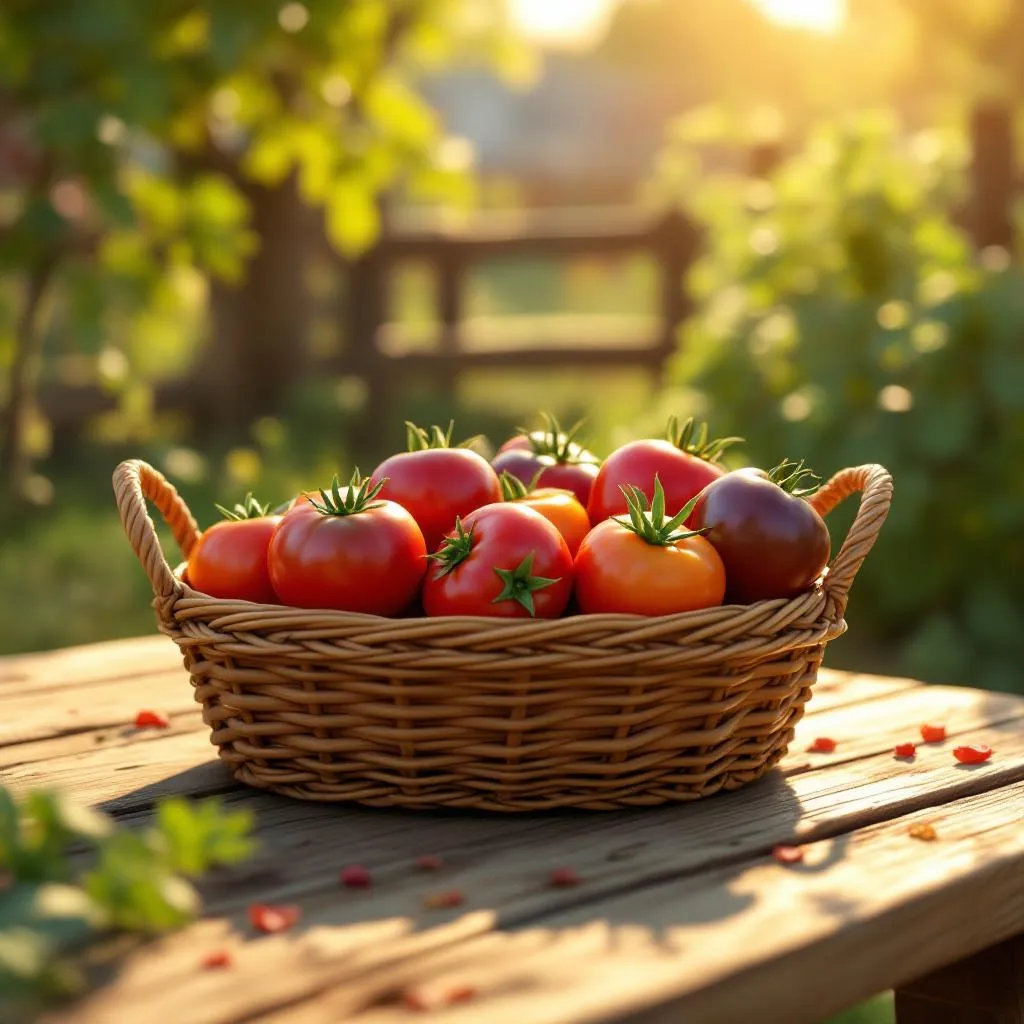
These days my little farm plot is packed with heirloom tomato varieties — big, beefy Brandywines that blush the most gorgeous rosy red, and Cherokee Purples so dark and complex they look like something a jeweler dreamed up. I sell what I can to the co-op and give the rest away faster than I can pick them. The grounds are still central to everything I do, and I am never shy about sharing the science — or the sillier stories of how I figured it all out.
The Mountain of Grounds and the Experiment That Changed Everything
My first growing season, I was still brewing coffee at home in volumes that could fuel a small municipal office — old habits die hard. I started working the spent grounds into the soil around my tomato seedlings mostly out of pure, pigheaded stubbornness. I was not going to throw them away. Not after twenty years of guilt. I worked them into the soil around the base of each plant, folded some into my compost pile, and laid a thin layer as mulch along one row. Then I stood back, crossed my fingers, and waited.
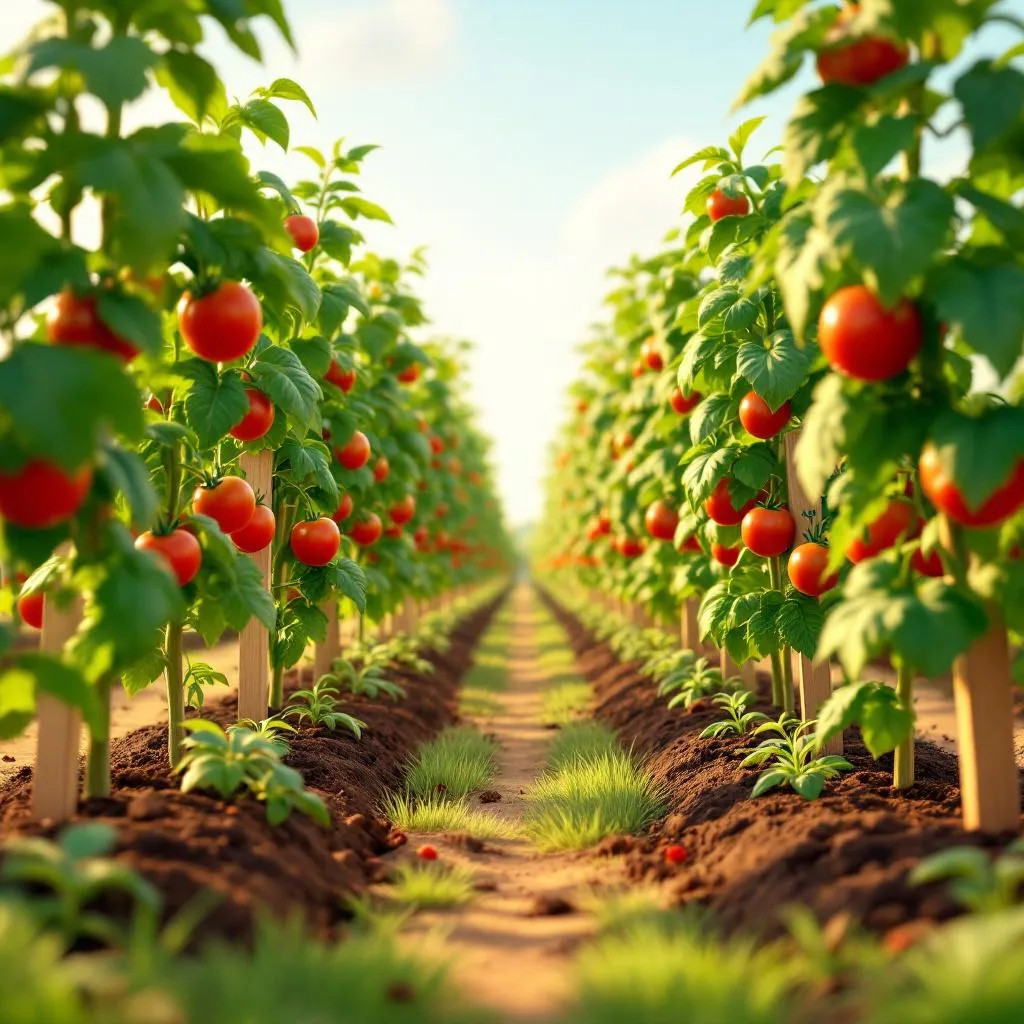
What happened next was either beginner's luck or proof that the universe rewards stubbornness. By mid-July, the tomato plants in my grounds-amended beds were a full foot taller than the untreated comparison row I'd planted just ten feet away. The Cherokee Purples set fruit two weeks earlier. The Brandywines — I stood in the garden one August morning with juice running down my chin, and I thought: I need to understand exactly why this is happening. So I called my friend Donna, who spent thirty years as an agricultural extension specialist, and she walked me through the whole picture over two pots of coffee. Naturally.
What Coffee Grounds Actually Do for Your Tomato Plants
Here's the part where I put on my amateur scientist hat — fair warning, I find this genuinely thrilling. Coffee grounds aren't magic in the mystical sense, but they do several very specific things that tomatoes absolutely love. Think of it less like a miracle cure and more like a very targeted, very affordable soil improvement plan.
Used coffee grounds contain around two percent nitrogen by weight, along with useful amounts of potassium and phosphorus — three of the main things tomatoes want more of. But here's the key phrase Donna kept repeating: slow release. Unlike synthetic fertilizers that dump a concentrated dose of nutrients all at once (which can actually stress or burn plant roots), organic material like coffee grounds breaks down gradually in the soil. Microorganisms get to work decomposing them over weeks and months, releasing nutrients in a steady, gentle stream. Tomatoes — consistent, hungry feeders that they are — find this arrangement extremely agreeable. It's the difference between chugging a huge meal and eating steadily throughout the day. Plants, like people, do better with the second approach.
- → Slow-release nitrogen: Feeds your plants gradually throughout the season rather than in one overwhelming surge — no nutrient burn, just steady, confident growth.
- → Improved soil structure: Grounds help loosen compacted soil and improve drainage. Tomato roots want consistent moisture, but they absolutely hate sitting in waterlogged earth.
- → Earthworm magnet: Worms are wild about coffee grounds, and worms are the unsung heroes of any healthy garden. They aerate soil, speed decomposition, and leave behind castings that are essentially nature's finest fertilizer.
- → Mild acidity: Tomatoes prefer slightly acidic soil — roughly pH 6.0 to 6.8. Spent grounds are close to neutral with a gentle acidic lean, which can be a real help in alkaline garden beds.
- → Organic matter boost: Every bit of organic material you add builds your soil's ability to hold water, feed roots, and support the microbial life that makes gardens genuinely thrive over time.
Always Use Spent Grounds — Not Fresh
This matters more than you'd think: always use spent (already brewed) grounds, not fresh dry grounds straight from the bag. Brewing extracts most of the acidity, so spent grounds are far gentler on your soil pH. They also clump less and integrate more easily. Save the fresh grounds for the cup — your garden wants the leftovers.
A Summer Morning in the Tomato Beds
If you want to know what my grounds routine actually looks like in practice, picture this: early June, the light is still golden and low, the air smells like warm earth and whatever's flowering along the fence. I have my morning coffee in hand — yes, in a proper mug, I am not a monster — and I do my slow walk-through before the heat picks up. I'm checking for anything amiss: yellowing leaves, spots, something drooping when it shouldn't be.
Every few weeks through spring and into early summer, I work a thin layer of collected grounds into the soil around the base of each tomato plant. Not a big pile — I'm talking a quarter to half an inch, lightly turned into the top couple of inches with a hand fork. Then I water. The goal is integration, not decoration. Grounds left sitting dry on the surface can crust over into a little grey cap that water actually beads right off. You want them in the soil, working with it, not sitting on top of it looking decorative.
By late July, when my Brandywines are six feet tall and drooping heavy with fruit, and the Cherokee Purples are showing their beautiful bruised-looking skin, I feel something I can only describe as deeply satisfied smugness. Not the unkind kind. The kind where you looked at something everyone else was throwing away, worked out its value, and made something gorgeous with it. That's the whole game, isn't it?
"Waste not, grow a lot — and never underestimate the thing everyone else is throwing away."
— June Perkins, Tiny Farm Heroes
Why the Co-op Cares About This Stuff
When I first started bringing my heirloom tomatoes to the co-op, I got into a long conversation with one of the cooperative's sustainability folks — a young woman named Priya who had more energy at seven in the morning than should be medically possible. She was delighted about the grounds. Not just because my tomatoes tasted better or my yields were up, but because of what the practice wasn't doing: it wasn't buying synthetic fertilizer. It wasn't adding to the waste stream. It was closing a loop — turning a problem into a resource.
That's exactly the philosophy the co-op works to support when it partners with real-world non-profit farms. Those farms are often working with tight resources, and finding ways to grow abundantly without spending heavily on outside inputs is central to their whole mission. What I do on my little plot is the same principle at work on theirs — just scaled up, and taken seriously as a farm-wide strategy rather than a backyard experiment.
- → Resource efficiency: Sourcing nutrients from a local waste stream — like spent grounds from cafés — instead of purchasing synthetic fertilizers keeps operating costs low for resource-constrained non-profit farms.
- → Long-term soil health: Organic amendments build fertility that compounds over seasons. Healthy living soil means stronger crops year after year without expensive interventions or soil rehabilitation.
- → Reduced synthetic inputs: Every cup of granular fertilizer not needed is one fewer chemical processed, packaged, shipped, and applied — a small win that adds up enormously across a whole growing operation.
- → Community loop-closing: Many cafés and restaurants are genuinely glad to have someone take their grounds. Sustainable farms that build these local relationships turn neighborhood waste into neighborhood food — exactly the kind of connection the co-op exists to support.
The Mistakes I Made First (Please Learn From My Suffering)
In the spirit of full transparency and sparing you at least a few of my earlier, more humbling gardening moments — here are the things I did wrong before I got it right. I call this section of my garden notebook The Chronicles of Overcorrection. May it save you time, confusion, and at least one unnecessary anxiety spiral about soil pH.
- → Piling on too thick: My first instinct was more is more. I laid a two-inch layer of grounds around my plants like I was building a little moat. It dried into a solid grey crust that water beaded right off. Thin layers worked into the soil — that is the rule, full stop.
- → Treating grounds as a complete fertilizer: Grounds are a supplement, not an entire nutrition program. I still use compost, I still feed with a balanced organic fertilizer mid-season. Grounds are one part of the picture, not the whole painting.
- → Panicking about acidity: I read somewhere that coffee grounds were dangerously acidic and spent three weeks convinced I was turning my garden into an acid bath. Spent grounds are actually quite close to pH neutral. Test your soil if you're genuinely concerned — but don't lose sleep over it.
- → Adding grounds to new seedlings: Tiny seedlings don't need this kind of intensity. Wait until your tomato plants are established — at least four to six inches tall and looking genuinely confident — before introducing grounds to the bed.
- → Forgetting to water them in: Grounds need moist soil and a little mixing to start doing their work. Scatter them on dry, compacted ground and they will simply sit there, looking at you.
My Favorite Weekly Routine
I keep a small covered bucket by the back door and collect grounds from my home brewing all week. Every weekend morning I do a slow walk through the tomato beds and work them in as I go — it becomes a genuinely pleasant ritual. If you don't brew enough coffee yourself, ask your local café. Most of them are thrilled to have someone haul the grounds away. I used to give mine away by the bag every single day. The farmers and gardeners who showed up for them? They were onto something long before I was.
Whatever your garden looks like right now — a few pots on a balcony, a sprawling raised-bed situation, a handful of plants tucked along a sunny fence — this is one of those small shifts that compounds over time. The first season, you might notice a little improvement. By the third season, you'll be the one your neighbor comes to with their hat in their hand. I speak from direct experience.
That's the thing about growing that I didn't fully understand until I left the café: it is relentlessly cumulative. Every bit of organic matter you return to your soil makes next year easier. Every season you pay attention, you learn something worth keeping. And every tomato you pull off the vine — especially one that grew out of something you would have otherwise thrown away — feels like a small, very specific miracle. I am not going to apologize for how much I love that feeling. Waste not, grow a lot. It really, genuinely does work.