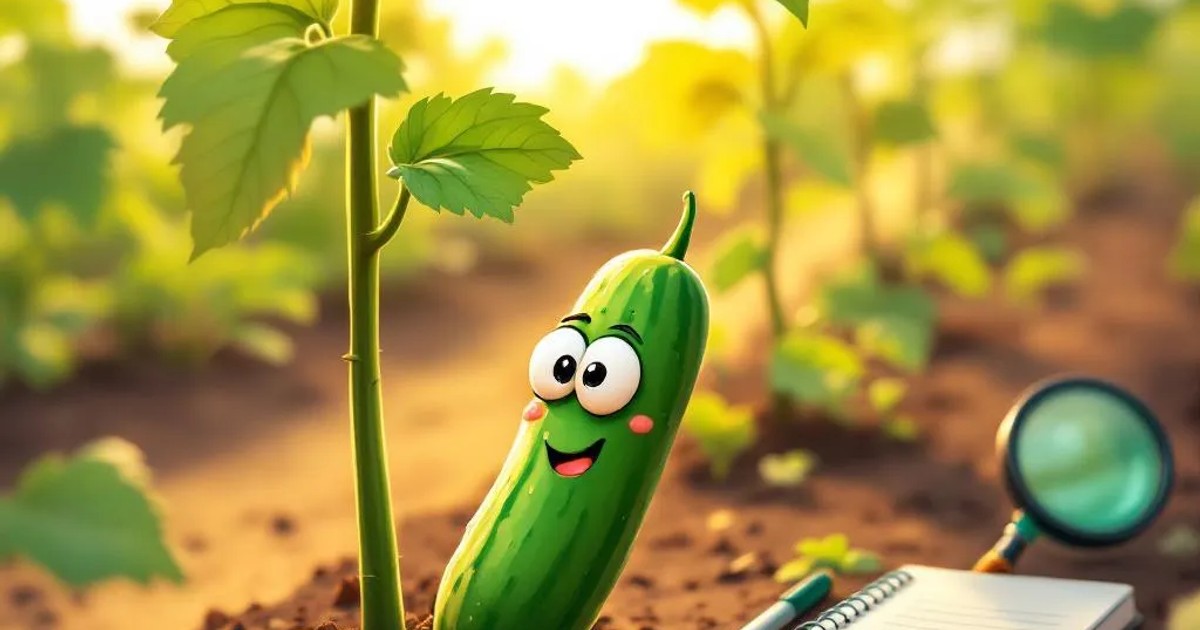

I found my first yellow cucumber leaf on a Tuesday morning in early July, right around the time the dew was still sitting on the beds and the air smelled like wet dirt and whatever my neighbor Earl was doing with his compost. I was doing my rounds — I call it rounds, just like I used to do at the hospital — walking the rows of The Clinic with my notebook tucked under my arm, and there was Margaret, third plant from the left, with a leaf that had gone the color of old mustard. My stomach did the thing it used to do in the ER when a patient's chart didn't add up. All right, Margaret, I said out loud, because yes, I talk to my plants. Let's figure out what's going on with you.
Thirty Years of Reading Symptoms
Before I became a cucumber diagnostician — which is not a real job title but absolutely should be — I spent three decades as a diagnostics nurse in Savannah, Georgia. The job was simple in theory: figure out what's wrong before you jump to a solution. In practice, that meant being patient, being thorough, and never assuming. Rule out the obvious first was the first thing my mentor ever said to me, and it's become my gardening philosophy too.
When I retired four years ago, my granddaughter Tamika handed me a tablet and said "Grandma, you'll love Tiny Farm Heroes." She was right — though I don't think she expected me to start naming my virtual crops after former colleagues and tracking their progress in a spreadsheet. My half-acre plot out back got the same treatment. I put up a little hand-painted sign that says "The Clinic," and I started applying everything I knew about diagnostics to my vegetable rows.
When Margaret's Leaf Went Yellow
The thing about yellow cucumber leaves is that they're not a diagnosis — they're a symptom. And in nursing, we don't treat symptoms, we treat causes. So when Margaret's leaf went yellow, I did not immediately reach for fertilizer. That's like giving someone iron supplements when you don't even know if they're anemic. I got out my magnifying glass, I opened my notebook, and I asked the right questions.
First question: Which leaves are yellowing? The older, lower leaves? Or the new growth at the top? That matters enormously. Second question: What does the yellowing look like? Is it even all over the leaf, or is it patchy, or is it the tissue between the veins going yellow while the veins stay green? Third question: What has changed recently? Weather, watering habits, anything nearby? These three questions narrow things down faster than any internet search.
Margaret turned out to have a nitrogen deficiency. Her oldest leaves were yellowing evenly, starting at the tip and moving inward, while her new growth looked perfectly fine. Classic presentation — any diagnostician would recognize it. I'd been so focused on keeping her watered that I forgot the soil needed feeding too. I adjusted my compost application schedule, and within two weeks she was back to that deep, healthy green. Lesson learned.
What Your Cucumber Is Actually Saying
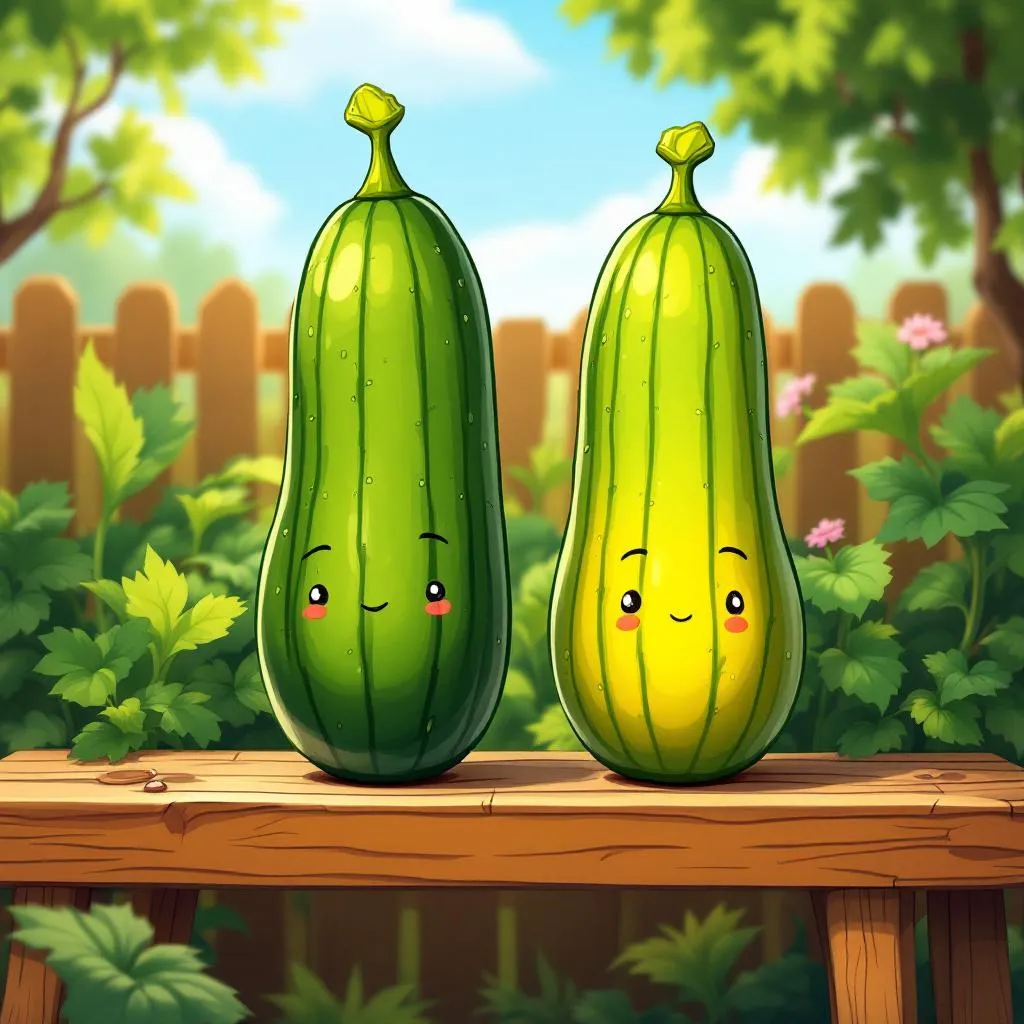
Let me run the full differential for you, the way I'd work through a patient chart. Cucumber leaves turn yellow for several different reasons, and each one has its own pattern, its own story. The key is learning to read those patterns — because once you can, you'll feel a lot less helpless standing in front of a sick plant.
- → Nitrogen deficiency: Older, lower leaves yellow first, evenly, starting at the leaf tip. The plant may look generally pale or washed out. Fix it with compost, a balanced vegetable fertilizer, or blood meal worked gently into the soil.
- → Overwatering: Leaves yellow and droop, and the soil feels soggy. Roots need oxygen — waterlogged soil suffocates them. Let the soil dry out between waterings.
- → Underwatering: Leaves yellow and feel crispy at the edges, and the soil is bone dry an inch or two down. Cucumbers need consistent, deep watering — not just a surface sprinkle.
- → Magnesium deficiency: The tissue between the leaf veins turns yellow while the veins themselves stay green. This is called interveinal chlorosis. A diluted Epsom salt solution can help short-term, but your soil needs balancing long-term.
- → Downy mildew: Yellow patches on the top of the leaf, with a grayish-purple fuzz on the underside. This spreads fast in humid weather. Remove affected leaves immediately, improve airflow, and avoid wetting the foliage when you water.
- → Natural aging: If only the very oldest, lowest leaves are going yellow and the rest of the plant looks vigorous and is producing well, this is completely normal. Plants shed old leaves as energy goes to fruit. Don't panic.
The First Question to Ask
Before you do anything else, look at which leaves are yellowing. Bottom leaves going first = nutrient deficiency or normal aging. Top or new growth going yellow = more serious problem. Spotty or patchy yellowing with no clear pattern = disease or pest. This one question eliminates half the possibilities before you even touch the plant.
A Morning at The Clinic
By mid-July, I have a system. Rounds at 7 AM, before the heat sets in, with a mug of coffee and my notebook. I check the undersides of leaves for uninvited guests. I note whether the soil feels right — not swampy, not powder-dry, just that good crumble that means air and moisture have found a balance. I talk to the plants. This is not scientifically verified as helpful, but it forces me to slow down and actually look.
Last summer I caught a downy mildew situation before it spread to the whole row, because I noticed a dullness to the yellowing on one plant — a subtle, ashy quality I'd learned to recognize the year before. Removed those leaves right away, gave everything more breathing room by pruning back a few overlapping stems, and that was that. The other five plants produced beautifully all the way into September. My neighbor Earl was impressed, though he would never admit it.
"Yellow leaves aren't failure — they're communication. Your plant is using the only language it has. You just have to learn to listen."
— Roz Beaumont, The Clinic
Why Our Co-op Partners Care About Root Causes
Here's something I didn't fully appreciate when I first started gardening: a yellow leaf isn't just a problem for me and Margaret. It's a signal about my soil, my water management, my entire approach. When the co-op connects our harvests to real non-profit farms, those farms aren't just growing food — they're rebuilding the relationship between plants and soil that industrial farming has spent decades wearing down.
Sustainable farms pay attention to root causes, not just symptoms. They don't reach for a bag of synthetic fertilizer every time a leaf goes yellow. They build soil that feeds plants naturally — full of microbial life, rich in organic matter, draining well while holding moisture at the same time. That kind of soil prevents most yellow-leaf problems before they ever start.
- → Compost and cover crops: These rebuild the organic matter that holds nutrients, feeds beneficial soil microbes, and improves drainage — addressing multiple yellow-leaf causes at once.
- → Regular soil testing: Sustainable farms test their soil every season, so they know exactly what's depleted and what isn't. No guessing, no over-applying, no accidental imbalances.
- → Mulching: A layer of straw or wood chips around plant bases regulates soil temperature, retains moisture, and reduces the wet-dry swings that stress cucumbers and trigger yellowing.
- → Crop rotation: Moving cucumbers to a different bed each year prevents the buildup of soil-borne diseases — one of the sneakier, harder-to-diagnose causes of persistent leaf problems.
- → Drip irrigation: Getting water directly to the roots instead of the leaves dramatically reduces fungal disease, which is a major cause of that patchy, spreading kind of yellowing.
Mistakes I Made Before I Got It Right
I've been at this four years now and I've made most of the classic errors. Here, in the spirit of collegial honesty, is the list I wish someone had handed me on the first day of my first growing season.
- → Jumping to fertilizer first: Nitrogen fertilizer is not a vitamin — it's a treatment. Using it without confirming a deficiency can burn roots and create new problems on top of the old ones. Diagnose first, treat second. Always.
- → Trusting the watering timer completely: I set up an irrigation timer and thought I was done. Then a heat wave hit and the timer didn't know the difference. Check the actual soil moisture, not just the schedule.
- → Only looking at the tops of leaves: Spider mites, aphids, and downy mildew all show up on the underside of leaves first. I thought I was checking my plants. I was not checking my plants.
- → Leaving diseased leaves on the plant: I used to think removing leaves was too aggressive. It is not aggressive. It is necessary. A diseased leaf is a liability — remove it cleanly, don't compost it, and move on.
- → Planting cucumbers in the same spot two years in a row: Soil-borne diseases laugh at optimism. Rotate your cucumbers every single year without exception.
The Soil Check I Do Every Morning
Push your finger into the soil up to the second knuckle. If it feels dry at that depth, water. If it feels moist, don't. Cucumber roots go deep — surface moisture means nothing. This simple test has saved me from both overwatering and underwatering, and I do it every morning as part of my rounds. No timer, no guesswork, no yellow leaves from either extreme.
If you're standing in your garden right now, looking at a yellow leaf and feeling that particular gardening despair — I have been in that exact spot. Notebook in hand, magnifying glass fogging up, quietly telling myself I'd killed another one. It passes. I promise it passes.
Here's what thirty years of diagnostics taught me: every symptom is information. Yellow leaves are not your cucumber giving up on you. They are your cucumber asking for something. Your job is to listen carefully, rule out the obvious, and respond with care. Same as it ever was, whether you're in an ER or crouched in a garden row in Savannah at seven in the morning with dirt on your knees.
Whatever you grow this season — whether it's in a virtual plot in Tiny Farm Heroes or out back in your own little patch of earth — it matters. The food we grow, the soil we tend, the habits we build: they add up to something real. They connect to actual farms, actual communities, actual tables where people eat food that wouldn't exist otherwise. That's worth a little time crouching in the dirt with a magnifying glass and a notebook.